
The Sacred Art of the Dog Nap: What Sleeping Positions Reveal
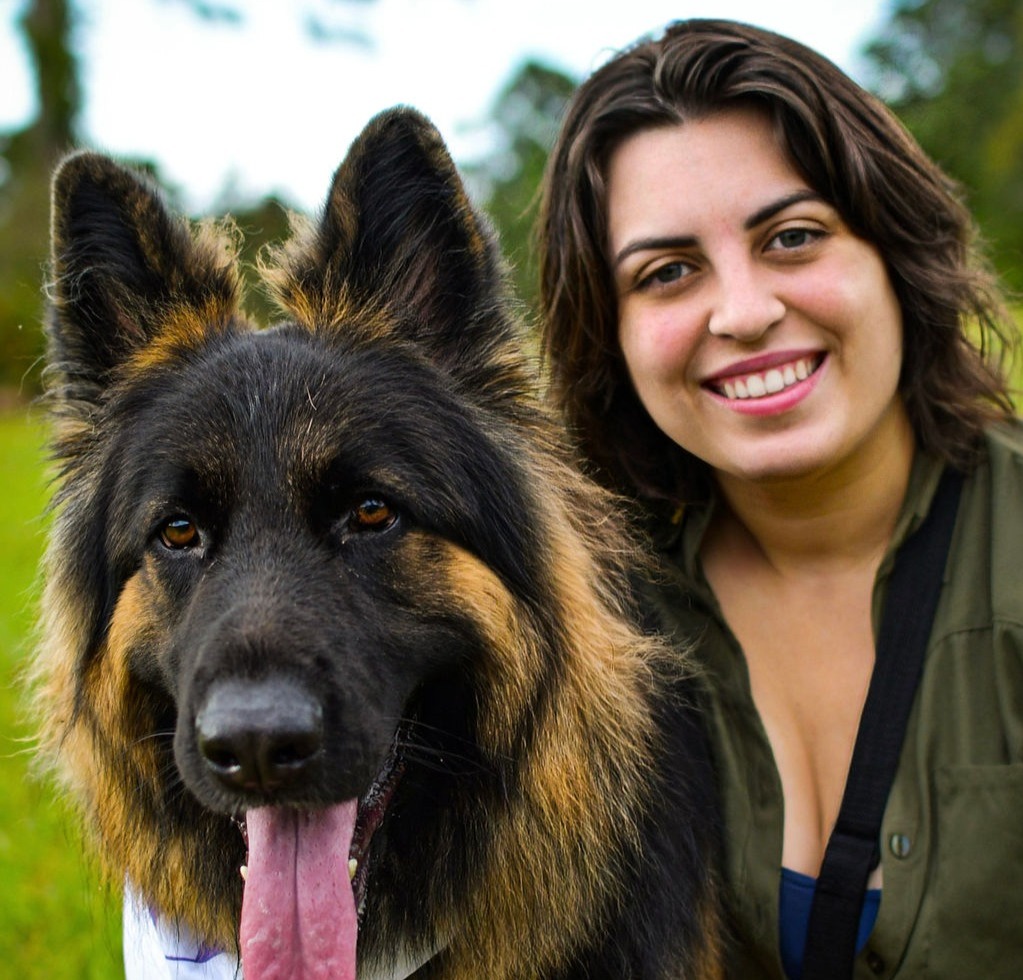
Ever wonder what your dog's sleeping position says about how they're feeling? Each position reveals something about their comfort level, temperature, and emotional state. Here are four common canine sleeping positions and what they mean.
The Curled-Up Cozy

Picture your dog tucked into a tight ball, nose to tail, looking like a furry donut. This classic position conserves body heat, protects vital organs, and creates a sense of security. Dogs sleeping this way might be feeling chilly or seeking comfort. It's an instinctive posture from their wild ancestors who needed to stay warm and protected while resting.
The Exposed Belly

When a dog sprawls on their back with legs akimbo and belly completely exposed, they're saying: "I feel completely safe here." This vulnerable position is perfect for cooling down on warm days and signals total trust in their environment. Dogs sleeping belly-up are experiencing deep, restorative sleep and feel secure enough to let their guard down completely.
The Side Sprawl

A dog stretched out on their side with legs extended is in their happy place. This relaxed posture indicates they're comfortable and sleeping deeply. When dogs feel safe and content, they adopt this position for longer rest periods. You'll often see dreamy paw twitches as they cycle through REM sleep.
The Watchful Guardian
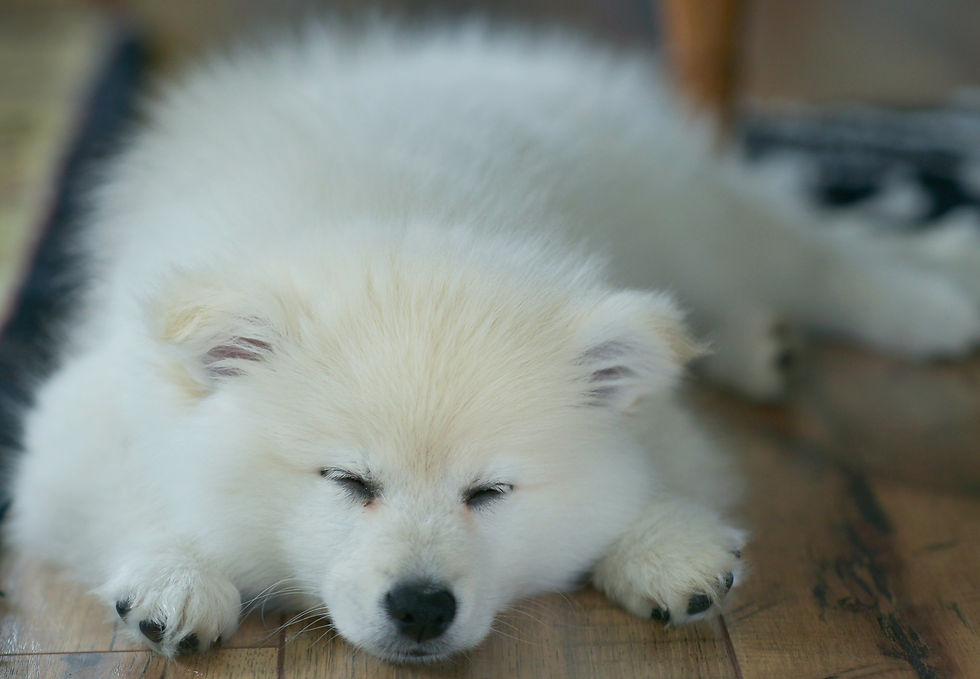
In this attentive posture, your dog lies belly-down with their head resting on their front paws, ready to spring into action at a moment's notice. This position allows dogs to remain alert to their surroundings. It's common in protective breeds or during quick catnaps between activities when they want to rest but stay ready for the next adventure.
Understanding your dog's sleeping positions gives you insight into their emotional state and comfort level. The most important thing? That your furry friend feels safe, comfortable, and loved in their home—no matter how they choose to catch their ZZZs.


Comments