
Start Off on the Right Paw
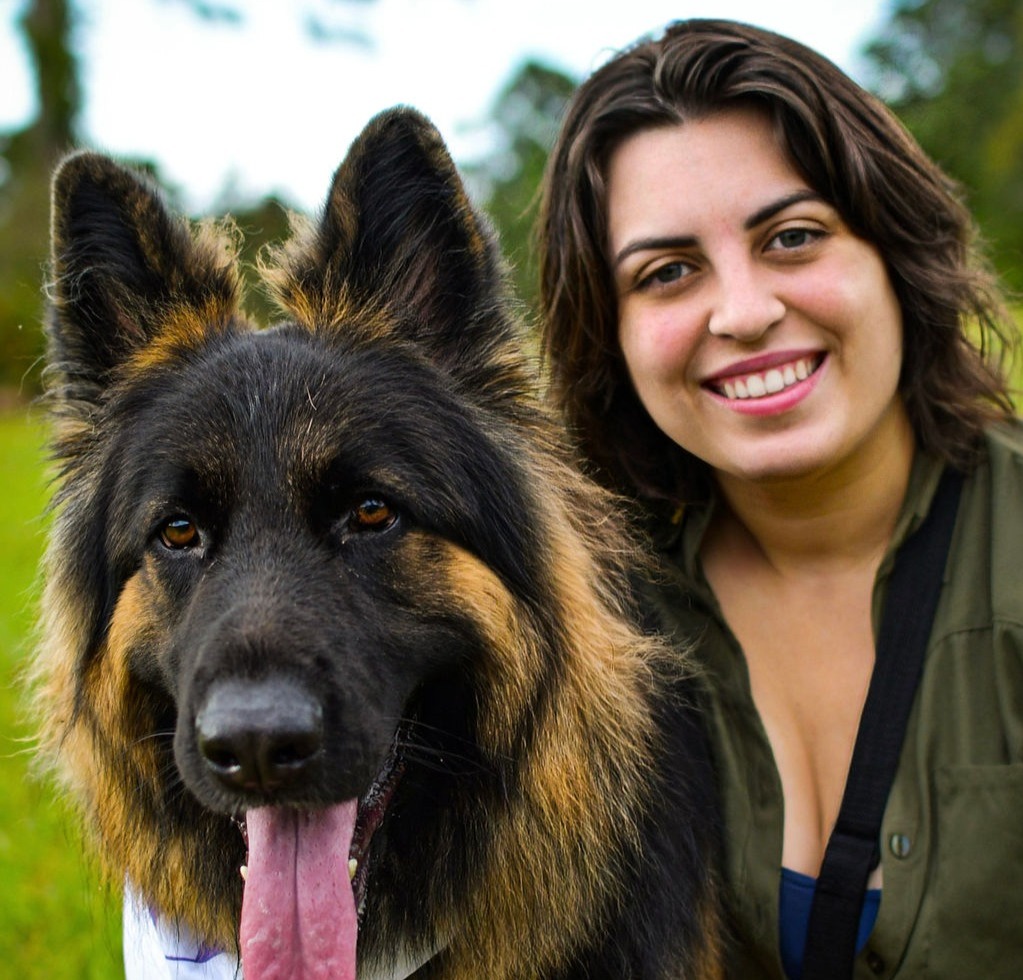
How to Prepare for Your First Dog Training Session

Beginning training is an important step in your dog’s life. The methods used during training can shape your dog’s behavior, emotional well-being, and your relationship for years to come. Preparing ahead of time, and choosing the right professional, sets everyone up for success.
Choosing the Right Trainer
Dog training is an unregulated industry, meaning anyone can call themselves a trainer. Because of this, it’s important to research carefully before committing.
A qualified, ethical trainer should:
Use reward-based, science-supported methods
Focus on teaching dogs what to do, rather than punishing mistakes
Avoid techniques that rely on fear, pain, or intimidation
Be open and transparent about their methods
Encourage owner involvement and questions
Research has shown that training methods based on rewards are both more effective and more humane than aversive techniques. Methods that rely on physical force or fear are associated with increased stress, fear, and aggression in dogs and can damage the human-animal bond .
What to Watch For (and What to Avoid)
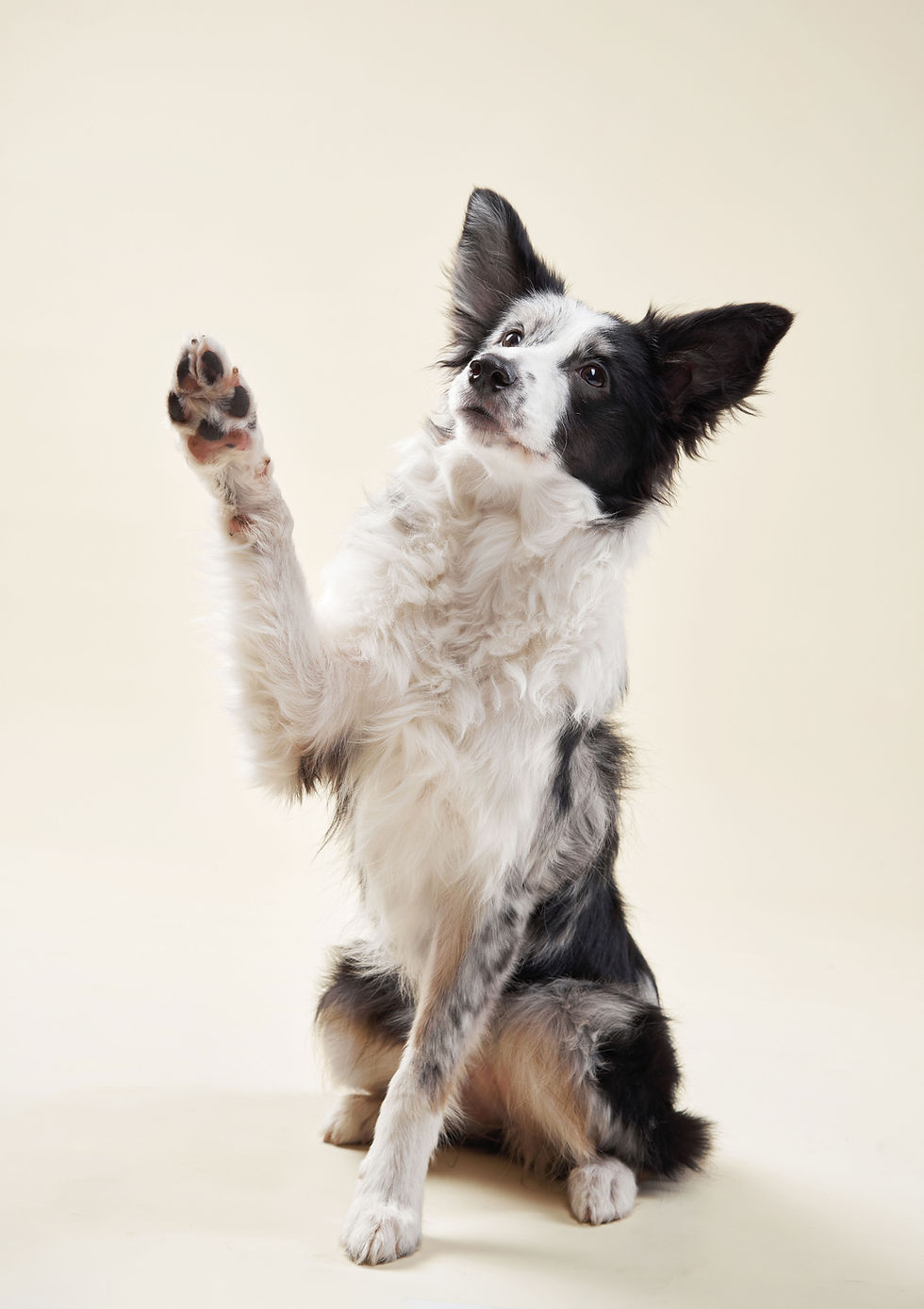
When researching a trainer:
Review their website or social media for clear descriptions of training methods
Look for images or videos showing dogs being rewarded for desired behaviors
Ask whether you can observe a class or session
Ask directly about tools used, ethical trainers do not rely on choke chains, prong collars, or shock collars
Be cautious of trainers who guarantee results or use terms like “alpha,” “dominance,” or “pack leader,” as these concepts are not supported by modern behavioral science
You should feel comfortable with what is being asked of both you and your dog. If something feels wrong, it’s okay to ask for clarification or seek another professional.
Come With an Open Mind
Even if you’ve trained dogs before:
Be prepared to learn new skills
Understand that behavior change is not instant
Remember that every dog is an individual
Expect progress to happen in small, meaningful steps
Good training is about education and communication, not control or perfection.
How to Prepare for Your First Session
Bring high-value treats
Use a standard 4–6 foot leash
Avoid feeding a large meal 2–3 hours beforehand
Provide a potty break before training
Bring questions, goals, and realistic expectations
Your Role in the Process

Trainers teach skills, but owners create lasting change.
Be an active participant
Practice between sessions
Ask questions when something isn’t clear
Be patient with both yourself and your dog
Final Thoughts
Effective training should feel safe, humane, and collaborative. Choosing a trainer who follows evidence-based practices, showing up prepared, and staying open to learning will help build a strong foundation for long-term success.


Comments